中文
中文 English
 行 业 知 识Knowledge
Knowledge

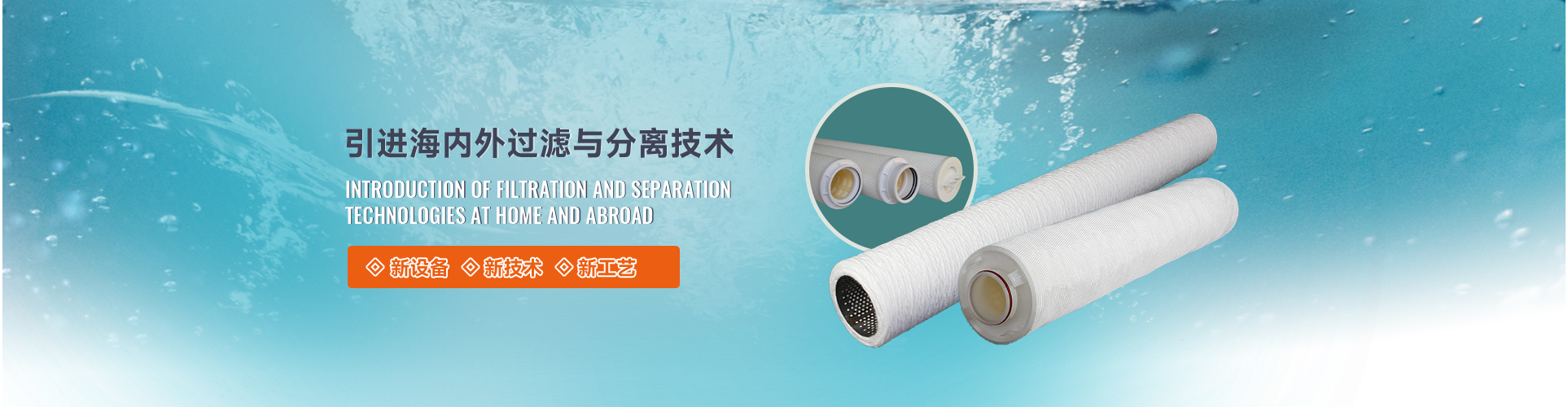
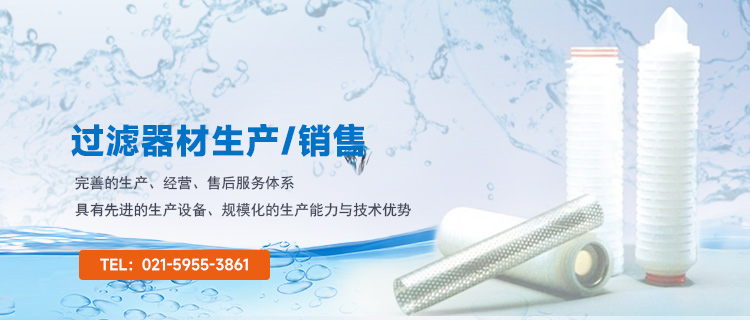
Compared with ordinary filter cartridges, PP foldable filter cartridges are products made of polypropylene fiber membranes, non-woven fabrics or silk screens, and folded with supporting layers. Among them, the manufacturing process of the middle pin rod and end cover of the product shell is hot melt welding. The advantages of this process are no adhesive, no leakage, and no secondary pollution. So, how much do you know about this folding filter element? Let's take a look at the introduction in this article.
The product has the advantages of foldability, large membrane filtration area, large pollutant capacity, low pressure difference, and long service life. The entire filter element is made of pure PP material, and the PP folded filter element has a wide range of chemical phase capacities. Filter element accuracy: 0.1 μ m、0.22 μ m、0.45 μ m、1 μ m、3 μ m、5 μ m、10 μ m、20 μ m、30 μ M and 50 μ m; Filter length: 5 inches, 10 inches, 20 inches, 30 inches, 40 inches; Filter diameter: outer diameter φ 69 mm, inner diameter φ 28 millimeters.
In addition, the buckle structure of the PP foldable filter element has advantages such as large filtration area, low initial pressure difference, fast flow rate, small filtration volume, and low manufacturing cost. Due to the combination of pre filtration and final filtration, the filter element has a large capacity for holding pollutants. The usage time is longer than that of a single hole filter element. A single pure polypropylene material is easy to determine its chemical compatibility. However, in addition to the above advantages, PP foldable filter elements also have some drawbacks, such as low working pressure (generally not exceeding 0.3Mpa, for example, when the pressure exceeds, the micropores will expand), easy penetration of solids, especially when the working temperature is above 60 ℃, and unsatisfactory backwashing effect.
In terms of maintenance, the PP foldable filter element should be stored in the filter housing when not in operation, rather than in a dry state. In the casing, clean water or water containing anti jun agents (such as sodium hypochlorite solution less than 10ppm or 2% hydrogen peroxide solution) should be added, and then rinsed thoroughly before use.